

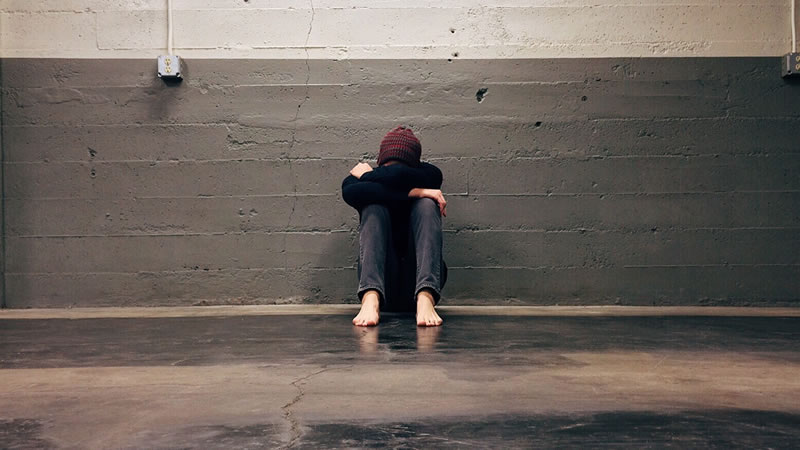
What is addiction?
Most people think of addiction and think of alcoholism, drug use and gambling.
On the surface, though, addiction is a psychological condition that makes the person suffering compulsively do, use or take something to the point of harm.
Addiction is a disease and not a conscious choice all of the time. An alcoholic may choose to take a first sip of wine with their dinner, but they don’t choose to be addicted to the wine and start unravelling their lives as a result.
Addiction can cause devastation among families and for individuals and counselling is one of the many ways to assist those who are dealing with addictive behaviour.
What Qualifies As Addictive Behaviour?
Addictive behaviour is characterised as the irresistible compulsion to carry out certain behaviours. They cannot help the need or the craving for the thing that they are addicted to, and the behaviour can cause ill health, whether mentally or physically. They feel a compulsion and they carry out the behaviour despite the negative consequences that can occur.
Of course, family and friends of those who are suffering with addiction often wonder why they would do something knowing the consequences, but it’s not as simple as that.
There is a reward system within the human brain, and something that’s addictive creates a sense of euphoria when they achieve the things they need. So, an alcoholic will feel euphoric when they have a glass of wine – there’s a comfort in it. A gambling addict will feel a sense of security and happiness when they push money into the slot machine.
Even though they may regret it later, they still feel compelled to engage in addictive behaviour again and again.
This then leads to an endless cycle of harmful behaviour that sometimes wouldn’t look addictive to others but keeps up that chemical reaction in the brain that makes it an addiction. This is important to note – the chemicals in the brain change, and this means that the person engaging in addictive behaviour truly cannot help themselves.
Types of Addiction
There are two main types of addiction: substance, and behavioural.
Substance addition refers to the use and abuse of substances like drugs, prescription medications, food, alcohol and even coffee! The person engaging in the consumption of these substances knows that there are negative consequences but they cannot help continuing it.
Behavioural addiction is defined as compulsive and self-destructive and it is recurring behaviour. This includes things like gambling, overuse of the internet, sexual behaviour, online use, shopping and even working out. These on their own are not harmful, but when they are overdone to an extent that they cause adverse consequences, there’s a problem. It’s very possible to be addicted to pretty much anything, for example:
- Work. Workaholics are obsessed with work and they suffer physically as a result. If your relationships are suffering and you don’t use your holiday allowance because you cannot be away from the office, you may be a work addict.
- Internet. When you cannot be away from your social media or yoru internet at home to the point you are skipping social occasions and spending more time online than with your family, you could be addicted to the internet.
- Solvents. If you love your cleaning products a little too much, and you find yourself breathing in the toxic fumes, you could have an addiction to solvents. This is so dangerous, as solvent abuse can be fatal.
Regardless of what a person is addicted to, they cannot control it. That’s the point of addiction: it cannot be controlled and this compulsion becomes something on which they depend to get through everyday life.
Behaviours of an Addict
There are some massive personality changes that come from moving beyond those early stages of addiction. It’s usually when the behaviour has moved into something that can no longer be fought against that it blossoms into personality changes. These are the telltale behaviours of an addict:
- A lack of interest in activities or hobbies
- Neglecting family relationships and social relationships
- The tendency to take risks to get the thing that they are addicted to
- Ignoring the consequences of their actions
- Changes in sleeping patterns
- Increased levels of secrecy and hiding things
Signs of Addiction
People sometimes don’t realise that they have sunk into an addiction in the first place.
The one glass of wine per night becomes two, and then before they’re aware of it, a bottle a night becomes their new normal.
Often, it’s when someone else points it out that they become aware of what’s going on. The symptoms that can indicate that you or a loved one has an addiction include the following:
- Repeating behaviours at the sacrifice of everyone else in your life
- Stealing to fund an addiction
- Losing interest in everything except the thing that you are addicted to
- Huge mood swings – including anger and violence
- Feeling sick or shaky when trying to quit the behaviour
There are some substances that can make a person addicted to them violent and unpredictable.
Why Does Addiction Happen?
There are so many reasons behind addiction that it’s hard to pinpoint just one thing. With the help of counselling, addicts can learn to manage their triggers and they can get into recovery.
Substances can affect both the mental and physical way that you feel and these substances enable you to feel good – and so to the addict, it makes sense to continue using them. The “high” that comes with an addictive behaviour is in itself addictive, so you would do anything possible to keep chasing that high. If you are dependent on a substance, you would have a strong urge to try again and again, and this leads to spiralling into a heavy addiction.
The habit that develops as a result of chasing a high is a hard one to stop and not having the substance or behaviour can cause a come down that ends in an unpleasant withdrawal.
This can cause a strain on the person and sobriety is often hard because the withdrawal is so harsh. In the case of substance abuse, addiction can have severe consequences on their social lives and working lives. There are studies that show that addiction can be genetic but there are plenty of reasons behind addiction.
Causes of Addiction
There is no one clear thing that causes an addiction. It’s a very complicated mix of factors that can drag a person into the thick of addiction. There is evidence, though, that the following things can cause someone to become addicted to certain things:
- Genetics and history
- The environment you are in
- Societal groups – addict friends offering a substance
- Peer pressure
- Circumstances – taking painkillers for an injury and relying on said painkillers
There is no specific ‘addict gene’ that leads to a person becoming addicted to something, or a specific trauma. Growing up with an addict also doesn’t mean that a person will become one, either.
Addiction is complex and isn’t always at the fault of the person who finds themselves addicted to something. The causes of addiction vary from person to person and it’s in understanding each cause that will help effective treatments and counselling to be developed.
While some medications can be a vital tool in managing the symptoms of withdrawal, it’s counselling and conversation that helps an addict come through and find sobriety again.
A combined approach to addiction treatment can be one of the best ways to get some help for those who need it.
Whether it’s an addiction to gambling, alcohol, work or sex, there are so many things that can lead to someone enjoying something becoming addicted to it. Past trauma and underlying mental health conditions are common among addicts, and peer pressure and societal pressures are another cause.
If your workmates are taking drugs to get through the week, it can be tempting to join in with that. This then leads to a physical reliance on a substance, and that can cause long term damage to physical and mental health.
How Can Addiction Be Cured?
This is a very tricky question because most addicts don’t define themselves as “cured”. Helped, yes, but counselling and addiction therapy groups often have those who relapse come in over and over again.
Sobriety is not easy to maintain and there is often a struggle to stay sober. An addict is not someone who will be cured – but they will be continuously healing and trying, and that’s the best you can ask of someone addicted to a substance or a behaviour.
It’s important then, to be wary of any institution or doctor who says that they can “undo” an addiction or cure someone of an addiction.
The best counselling support and treatment centres are there to help, but they are not curative – they just enable the healing process on the way to sobriety. The patient then experiences far fewer relapses.
With the right counselling services, addiction can be managed and the person addicted to the substance can be helped.
Addiction counselling with Malcom Bateup
Want to know more about what addiction counselling? Get in touch with Malcolm Bateup, empathic Shoreham counsellor, to start a conversation.
As a qualified and experienced counsellor, Malcolm Bateup regularly provides counselling to those suffering addictions of all types in the Shoreham-by-Sea area.
MB Counselling is based in Shoreham-by-Sea, West Sussex. Malcolm offers a range of counselling services including face to face at his Shoreham treatment room, walk and talk and online counselling.
Please contact us to have a free initial chat.
For complimentary therapies such as reflexology and massage please find out more about services from Nicola at Beach Green Holistics.